
Choosing between a heat pump vs solar pool heater comes down to one trade-off: running costs or temperature control. Both are popular pool heating systems in Australia, but they work very differently. Solar pool heating uses free energy from the sun, so it costs very little to run, but your pool is only as warm as the weather allows. A pool heat pump uses electricity to pull heat from the air, so you can set an exact temperature and swim in more months of the year.
In Queensland and northern NSW, where the swim season is already long, both systems can work well. The right choice depends on your roof space, budget, and how often you want to swim. Here’s how they compare.
Key Highlights
- Heat pumps use ambient air, while solar pool heaters rely on sunlight, affecting efficiency in different climates.
- Solar heaters are eco-friendly, while heat pumps consume electricity, leading to higher energy costs.
- Solar heating has higher upfront costs but lower operating expenses compared to heat pumps’ ongoing electricity costs.
- Solar systems need ample roof space, whereas heat pumps are compact and easier to install.
- Solar heaters last 10-20 years with low maintenance, while heat pumps need regular servicing and last 10-15 years.
What Are the Key Differences Between Solar and Electric Pool Heat Pumps?
How Does Each System Generate Heat for Your Pool?
Choosing the right pool heating system depends largely on how it generates and transfers heat. Heat pumps and solar pool heaters operate using entirely different mechanisms, each with its own efficiency factors and limitations.
Understanding these operational differences can help determine which option best suits your climate, budget, and heating needs.
| Feature | Heat Pump | Solar Pool Heater | |
| Energy Source | Electricity | Solar radiation | |
| Heat Generation Method | Extracts heat from ambient air using a refrigerant cycle | Absorbs sunlight through solar collectors | |
| Heat Transfer Process | The compressor compresses refrigerant, transferring heat to the pool water | Water is circulated through solar panels, where it is heated and returned to the pool | |
| Dependence on Weather | Less efficient in colder temperatures; needs external power | Relies on direct sunlight; ineffective in cloudy or nighttime conditions | |
| Time Required to Heat Pool | Faster; heats water consistently regardless of sunlight | Slower; it depends on sun exposure and takes longer to warm water | |
Solar Pool Heater Pros and Cons:
Pros:
- Environmentally friendly: Solar pool heating systems use the sun’s renewable energy, which significantly reduces carbon emissions when compared to traditional heating methods.
- Cost-Effective Operation: Because solar heating systems use sunlight to heat the water, they have low operating costs once installed.
- Longevity: With proper maintenance, high-quality solar matting can last 10 years or more, resulting in long-term cost savings.
Cons:
- Potentially higher maintenance costs: Installing solar heating can be less expensive than other heating options, however, yearly maintenance is required.
- Weather Dependence: Because solar heating systems rely on sunlight, they are less effective on cloudy or rainy days, as well as overnight.
- Space Requirement: Adequate roof space is required for solar pool heating installation, which may not be possible for all properties, particularly those with existing PV panels.
- Solar pool heating will only extend your swim season; it will not heat your pool during winter.
Pool Heat Pumps:
Pros:
- Reliable Performance: Electric heat pumps can efficiently heat pool water regardless of the weather or time of day.
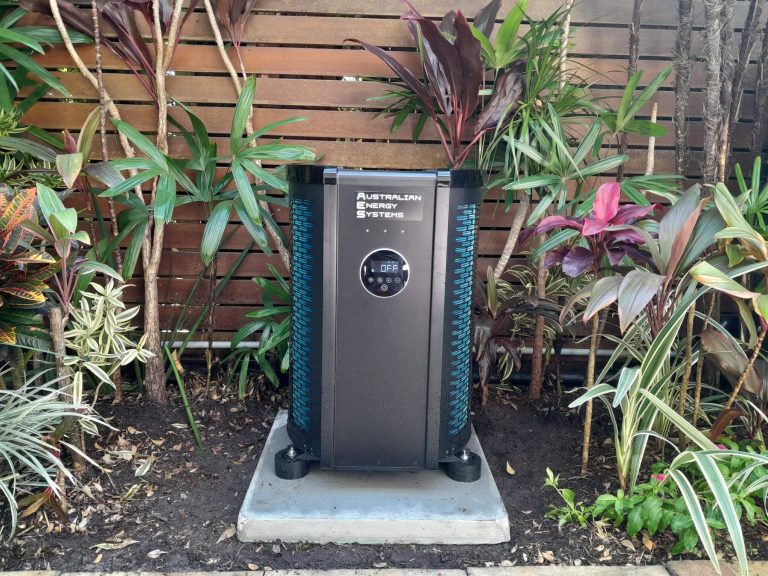
- Space-Saving Design: Heat pumps are compact and can be installed in smaller spaces, making them ideal for homes with limited space, particularly the new TDI Range with vertical exhaust (pictured above).
- Quick Installation: Compared to solar matting, electric heat pumps typically take less time and effort to install.
Cons:
- Higher Operating Costs: Because electric heat pumps use electricity, they can be more expensive to run than solar heating systems, especially during peak energy demand periods.
- Environmental Impact: Although electric heat pumps are more efficient than traditional heating methods, they still consume electricity and have an impact on the environment.
- Lifespan: Electric heat pumps typically have a shorter lifespan than solar matting.
What Are the Cost Differences Between Solar and Electric Heat Pumps?
What Is the Installation Cost for Solar vs. Electric Pool Heating?
The installation costs for pool heating systems vary based on factors such as pool size, system type, and regional labour rates.
- According to Alexandrina, the average cost of a system (including installation) for solar pool heating systems in Australia typically ranges between AUD 3,000 and AUD 6,000, depending on the pool size and the number of solar panels required.
- Pool heat pumps typically cost from around $3,600 for a 9kW unit suited to a 30,000 litre pool, up to around $6,900 for a 21kW unit for larger pools. Installation is extra and may include electrical upgrades, because a heat pump needs a licensed electrician to connect it. Not sure what size you need? See our guide to pool heat pump sizing.
How Do Operating Costs Compare Between Solar and Electric Heating? (Comparison)
Solar pool heaters benefit from minimal operating costs since they utilise free solar energy, with expenses primarily related to running the pool’s existing pump, estimated at around $10 to $25 per month. Electric heat pumps, however, rely on electricity, leading to operating costs ranging from $50 to $150 per month, influenced by factors like pool size, usage, and local electricity rates. While heat pumps can provide consistent heating regardless of sunlight availability, their ongoing energy expenses are higher compared to solar heaters.
For those concerned about ongoing electricity costs, pairing an electric heat pump with solar PV panels can significantly reduce energy bills. While the upfront cost of installing solar panels is higher, the long-term savings on electricity, especially when heating large pools, can be substantial. This hybrid approach combines the reliability of electric heating with the sustainability of solar energy, making it an increasingly popular option among environmentally conscious pool owners.
Both solar pool heating systems and electric heat pumps have their advantages and disadvantages. The decision between the two is based on how you want to heat your pool and how you intend to use it.
The upfront costs, space availability, environmental considerations, and climate conditions are other important factors to consider.
Heat Pump vs Solar Pool Heater FAQs
Is a heat pump or solar cheaper to run?
Solar is cheaper to run because it uses free energy from the sun, so you mainly pay for your pool pump. A heat pump uses electricity, so its running costs are higher, but it gives you far more control over your pool temperature.
Will solar pool heating work in winter?
Solar pool heating extends your swim season through spring and autumn but generally won’t keep your pool warm through winter. For year-round swimming, a heat pump or a combination of solar and a heat pump works best.
Can I use solar and a heat pump together?
Yes. Many pool owners use solar as their main heat source and a heat pump to boost the temperature when the sun isn’t enough. This keeps running costs low while giving you reliable warmth.
How long do solar pool heaters and heat pumps last?
A quality solar pool heating system typically lasts 10 to 20 years. A pool heat pump typically lasts 10 to 15 years with regular servicing.
Can I run a pool heat pump on solar panels?
Yes. Running your heat pump during the day while your rooftop solar PV is generating power can significantly reduce its running costs.
Which is best for Queensland?
Queensland’s sunny climate suits solar pool heating well for most of the year. If you want to swim comfortably through winter, a heat pump or a solar and heat pump combination is the better choice.
Consult with one of our professional pool heating experts to determine the best option tailored to your specific needs and preferences, ensuring many enjoyable swims in comfortably warm waters for years to come.
Click to enquire about the right heating option for your pool today!